
Can you 'buy' back a car that has been written off?
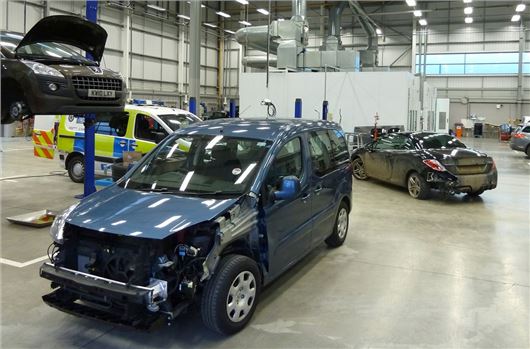
My insurer has said it is not economical to repair my car. Should I buy it back from them?
This is one of the most common questions we get asked. But how do you buy back a vehicle you already own?
Retaining a Cat D is extremely foolish. You are being conned by your insurer. Here's why. Imagine the repair costs on your £10000 car are £8500. Your insurer advises you that the car is a Cat D total loss, but you can retain the vehicle for £3000.
This means you get £7000, plus your car back unrepaired. But it now has the stigma of being a Cat D. And the market value is around 20 percent less than it would be without.
We already know it is going to cost £8500 to repair your car, so even using second hand parts you would struggle to repair for £7000 you received. Once you have spent your £7000 your car is now only worth £8000.
Contrary to what every insurer and pretty much anyone you speak to will tell you, yes you can retain a Cat B total loss.
Had you asked for a cash in lieu settlement, you would have received the £8500 and still have a vehicle that is not a total loss. In other words you would be at least £2000 better off.
Insurers do no like providing a cash settlement at higher figures. They prefer to reduce the risk of fraud and they have the contractual right to offer to repair. You can also insist on the vehicle being repaired.
In both situations, your car has been (or should be) repaired to manufacturer standards. So it should stil be worth approximately what it was prior to the accident.
Do not forget, read your contract of insurance. It will state you are indemnified up to the market value. The insurer only has the right to retain the vehicle when they have bought the vehicle off you. Up to that point the vehicle is always yours.
What about retaining a Category C total loss?
This is where the repair costs exceed the market value. So the vehicle when repaired will be worth approximately 20 to 30 percent less than a vehicle without this history. This seriously needs to be considered.
If the vehicle has any structural damage, walk away. Unless you are a professional commercial repairer or have access to one, we would not contemplate retaining. The only time it makes sense to retain a Cat C vehicle is if there is cosmetic damage, or when the panels damaged are 'hang on' panels such as front wings, bumpers and doors.
Can you keep a Category B loss?
Contrary to what every insurer and pretty much anyone you speak to will tell you, yes you can retain a Cat B total loss. The question again though is why?
These vehicles can never go back on the road. You will not be able to obtain a V5C and you will never be able to tax or insure it.
The only time we would suggest retaining a Cat B is if you either have a classic vehicle - and the parts are extremely rare and hard to come by - or you have a modified vehicle and wish to retain the parts you have fitted.
>> What's the difference between a Cat C and Cat D write off?
This could be on anything, from a vehicle with engine and suspension modifications, to a van that has been converted into a camper. There is a possible third - retaining a flood damaged vehicle and converting it into a track or off road vehicle.
You may find the insurer will request a certificate of destruction of the shell of the vehicle, once all the items required have been stripped.
What must be remembered is the Code of Practice for the disposal of salvage is just that. It is not lawful and is not under an Act of Parliament. This means it cannot be enforced on a consumer.
This is why it needs to change. At the moment anyone can get their hands on any salvage. As a consequence, a vehicle that has a category loss against it can be on the road but not repaired safely. Insurers need to stop profiteering by selling salvage as "constructive total losses" and repair them correctly.
 Tim Kelly
 Radical new Jaguar concept Type 00 revealed
 Test new article
 Budget 2023: What it means for van and pick-up owners
 Budget 2023: Car tax increases revealed
 Car tax rates for 2023
 Volkswagen ID.7 2023: Prices, specs and release date
 Most public electric car charging sites considered 'unsafe'



