
Hot weather and axed plug-in car grant blamed for fall in new car sales
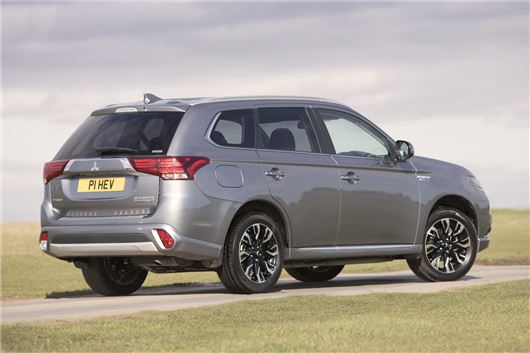
The number of new plug-in hybrid cars registered in April fell by more than a third as industry commentators blame the 'premature' axe of the plug-in car grant - along with unusually hot weather over the Easter break - for the UK's declining new car market.
Data released by the Society of Motor Manufacturers and Traders (SMMT) reveals that 161,064 new cars were registered in April 2019, compared to 167,911 during the same period last year - a drop of 4.1 per cent.
The National Franchised Dealers Association (NFDA), blames the slowdown in physical footfall to dealerships caused by Easter falling in April alongside the unseasonably warm weather.
“Positively, there continues to be solid demand at franchised dealerships for used and nearly new cars, which provide excellent opportunities for all types of motorists," said the NFDA's director, Sue Robinson.
While demand for diesel continues to drop, the numbers of new diesel cars being registered haven't plunged as much as in recent months - with numbers down by 9.4 per cent compared to this time last year.
"You have to dig pretty deep to draw out anything positive from this data," said Alex Buttle, director of car selling website Motorway.co.uk.
"Although a single digit decline in diesel sales in April suggests that segment is reaching a level of stability.
"Unfortunately, petrol sales were also negative last month, and hybrid and electric sales, where much of the optimism for the future of the UK car industry is focussed, were steady but not spectacular. And steady figures aren't going to keep us on schedule for the 2040 switchover."
Small hatchbacks and small family cars were hit hardest, with demand down 14.1 per cent and 10.6 per cent respectively.
 Andrew Brady
 Radical new Jaguar concept Type 00 revealed
 Test new article
 Budget 2023: What it means for van and pick-up owners
 Budget 2023: Car tax increases revealed
 Car tax rates for 2023
 Volkswagen ID.7 2023: Prices, specs and release date
 Most public electric car charging sites considered 'unsafe'



