
How to drive safely in snow and ice
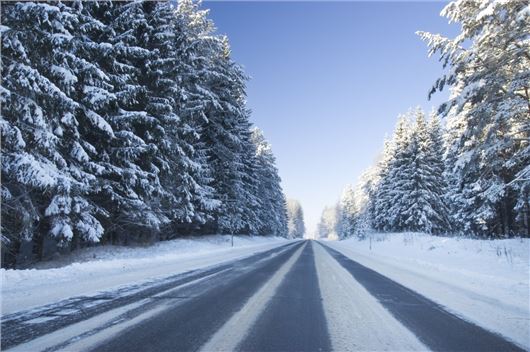
With most of the UK covered in snow, we've come up with some advice to help you drive on snow and ice. So if you do have to venture out - be prepared and stay safe.
Avoid travelling at all unless completely necessary, and don’t ignore police warnings or advice to avoid specific routes. Ask yourself can you work remotely using the internet, or change your schedule?
If staying at home in the warm is not an option, the Insitute of Advanced Motorists offers the following advice on driving safely through snow.
Ensure your windows are clean and clear, and that you have all-round visibility before you set off. Also take the time to clear snow off the roof of your car.
When driving in snow, get your speed right - not too fast that you risk losing control, but not so slow that you risk losing momentum when it is needed.
Ensure you have de-icer and a scraper. Before setting off, make sure you clean any ice or condensation from all the windows to optimise visibility.
A squirt of WD40 will prevent your door locks from freezing up.
When you set off, do so in second gear, releasing the clutch and accelerating gently, avoiding high revs – this will prevent wheel spin.
In an automatic, use the snow or winter setting if your car has one.
Do not switch off the ESP/traction control. There are occasions when doing so may help but most of the time much safer to leave it on.
Stay in a higher gear to avoid skidding and maximise control. If it is very slippery, in a manual car move off in a higher gear, rather than just using first.
If you get yourself into a skid, the main thing to remember is to take your foot off the pedals and steer. Only use the brake if you cannot steer out of trouble.
Double or even triple your normal stopping distance from the vehicle in front so you are not relying on your brakes to be able to stop; it simply may not happen.
It’s better to think ahead as you drive to keep moving, even if it is at walking pace.
Plan your journey around busier roads as they are more likely to have been gritted. Avoid using short cuts on minor roads – they are less likely to be cleared or treated with salt, especially country lanes and housing estates.
Bends are a particular problem in icy conditions – slow down before you get to the bend, so that by the time you turn the steering wheel you have already lost enough speed.
On a downhill slope get your speed low before you start the descent, and do not let it build up – it is much easier to keep it low than to try and slow down once things get slippery.
If you are heading out, remember to charge your mobile phone (and take a charger with you), take a decent coat and hat plus wear a good pair of shoes or boots.
Where you park can help reduce your risk of being involved in someone else’s accident. So look for off road parking where possible or gritted roads if not.
Make sure your wipers are in the off position when you stop – they can freeze to the window.
And if the worst does happen:
Keep track of where you are. If you do have to call for assistance, you need to be able to tell the breakdown or emergency services your location.
If you must leave your vehicle to telephone for assistance, find a safe place to stand away from the traffic flow. If you have just lost control, the next driver could well do the same in the same place.
If you break down or have to pull over on a motorway or dual carriageway, it is always better to leave your vehicle and stand a short distance behind and to the safe side of it. Don’t stand in front of it if at all possible. Balancing the risks of a collision and hypothermia is something that depends entirely on your situation.
 David Ross
 Radical new Jaguar concept Type 00 revealed
 Test new article
 Budget 2023: What it means for van and pick-up owners
 Budget 2023: Car tax increases revealed
 Car tax rates for 2023
 Volkswagen ID.7 2023: Prices, specs and release date
 Most public electric car charging sites considered 'unsafe'



