
20mph speed limits fail to reduce crash rates
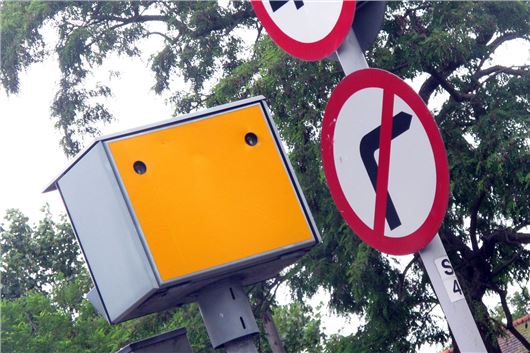
A Government report has revealed that there is insufficient evidence that 20mph speed limits reduce accident rates in urban areas.
The four-year study, commissioned by the Department for Transport (DfT), reveals that drivers in built-up areas are unlikely to comply with 20mph speed limits - with many relying on their judgement over what speed to drive at rather than the official 20 or 30mph speed limit.
The report analysed GPS data from cars in 12 case study areas, comparing average speed before and after 20mph zones were introduced. It discovered that the average speed has fallen by just 0.7mph in 20mph zones in residential areas, and 0.9mph in city centres.
While the report concludes that more collisions happen in areas with higher speed limits, it says that it found "no significant change" in the number of crashes on 20mph roads compared to when they had a 30mph limit.
Almost half (47 per cent) of drivers regularly break the 20mph limit, according to the study, rising to 94 per cent on roads where motorists typically drove faster than 24mph before the new limit was introduced.
The number of 20mph speed limits on UK roads has seen substantial growth in recent years, since the DfT started encouraging local councils to introduce them in 2013.
AA president Edmund King said changes need to be made to 20mph speed limits in the UK.
“We need more variable speed limits linked to time of day," said King. "For example, in the USA most drivers slow down outside schools with flashing yellow lights but not at 3am when there are no children around.
“The research suggests blanket 20mph zones dilute the speed limit’s effectiveness and compliance.”
 Andrew Brady
 Radical new Jaguar concept Type 00 revealed
 Test new article
 Budget 2023: What it means for van and pick-up owners
 Budget 2023: Car tax increases revealed
 Car tax rates for 2023
 Volkswagen ID.7 2023: Prices, specs and release date
 Most public electric car charging sites considered 'unsafe'



