
One in eight drivers admit to falling asleep behind the wheel
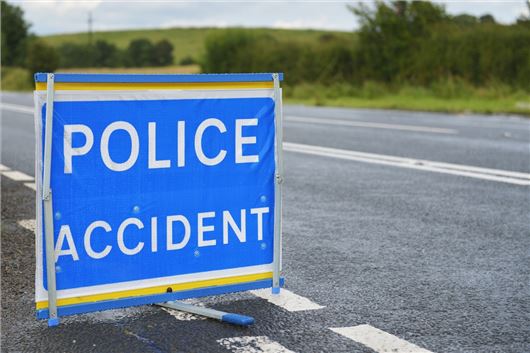
One in eight drivers in the UK has fallen asleep behind the wheel, a new study suggests.
The AA Charitable Trust surveyed 20,561 motorists and found that one in 10 (11 per cent) regularly undertook a road journey when feeling tired, while 13 per cent admitted to falling asleep behind the wheel.
The study claims that men are three times as likely as women to have fallen asleep at the wheel (17 per cent compared to five per cent).
The latest Government road casualty statistics show drowsy drivers contributed to 53 fatal and 351 serious crashes in 2017. However, while the overall number of accidents linked to fatigue in the UK has fallen - from 2046 in 2014 to 1613 in 2017 - the AA claims that the true figure for fatigue related crashes is much higher due to under-reporting.
“A driver who nods off for just three or four seconds on a motorway would have covered the length of a football pitch with closed eyes..."
“Crashes involving a drowsy driver tend to be catastrophic. If a driver has fallen asleep at the wheel they do not brake before an impact and make no attempt to steer away from a collision," said Edmund King, AA Charitable Trust director.
“A driver who nods off for just three or four seconds on a motorway would have covered the length of a football pitch with closed eyes. A 30 second nap while travelling at 60mph covers half a mile; a terrifying thought."
Almost half of drivers polled said "a long/hard day at work" was the number one cause for feeling tired behind the wheel, while a third blamed the monotony of their road journey.
Dr Katharina Lederle, sleep expert at Somnia and author of Sleep Sense, said: “There are certain times of day when the risk of driver fatigue is highest, specifically between 2am and 6am and 2pm and 4pm, when the internal body clock is promoting sleepiness.
“Drinking caffeine and having a short nap before the caffeine effect kicks in - about 20 minutes - is a short-term solution. It can help drivers increase their alertness sufficiently to carry on driving for another hour or two. But this is no substitute for proper sleep."
 Dan Powell
 Radical new Jaguar concept Type 00 revealed
 Test new article
 Budget 2023: What it means for van and pick-up owners
 Budget 2023: Car tax increases revealed
 Car tax rates for 2023
 Volkswagen ID.7 2023: Prices, specs and release date
 Most public electric car charging sites considered 'unsafe'



