
Brexit: everything you need to know about driving in the EU
As the UK leaves the European Union, the laws around driving are set to change. The important thing to bear in mind is that we're now entering a transition period, meaning you don't have to panic: everything will stay the same until at least the end of 2020.
Arrangements from 1 January 2021 are open to negotiation, so it's difficult to say exactly what will happen next year. This is what we know so far.
Do I need an International Driving Permit?
As of 2021, holders of UK licences driving in EU countries may need an International Driving Permit (IDP).
There are three IDPs available:
1949 IDP covering Ireland, Iceland, Spain, Malta and Cyprus
1968 IDP covering all other EU countries as well as Norway and Switzerland
1926 IDP covering Liechtenstein
These can be purchased from selected Post Office branches at a cost of £5.50 each. You'll need to take a passport photo and your current, valid photo card driving licence. Although IDPs used to be available via mail order, this service was stopped earlier in the year.
It's worth noting that a 1926 or 1949 permit only lasts 12 months, so you'll need to renew it in a year's time. A 1968 permit lasts for three years or until your UK driving licence expires, whichever comes first.
Some EU countries are allowing an exemption for the IDP, so long as the driver can show a photocard licence. Some other EU nations, however, are stating that UK drivers will not need one if their visit is shorter than one month.
For the full list of IDP requirements please see the Government’s information site, here.
What about car insurance?
If you're planning on taking a vehicle to an EU country, you'll need to gain proof of insurance known as a Green Card. Most insurance companies are happy to provide this, although some will charge an admin fee.
It's worth applying for a Green Card at least a month in advance of your trip to make sure it arrives in time. The document covers the vehicle rather than the driver, so you'll need just one Green Card per car. Motorists in Ireland are likely to be affected - those in Northern Ireland planning to cross the border into the Republic will need a Green Card too.

Check the terms and conditions of your insurance - a Green Card might not provide the same level of cover as your UK policy. Some providers will provide fully-comprehensive insurance in the UK, but only third-party cover abroad. This means you could be left out of pocket in an accident.
If you're towing, you'll need a separate Green Card for the trailer or caravan. Some countries require separate trailer insurance.
What other documents do I need for travelling abroad?
If you are taking your vehicle to the EU for less than 12 months, you should have the vehicle V5C (commonly known as the logbook) or VE103 to show you’re allowed to use your hired or leased vehicle abroad.
The Government recommends that UK drivers should display a GB sticker on the rear of your vehicle, even if you currently have a number plate which includes the GB identifier.
I'm moving abroad. What do I need to do?
If you're planning on living in an EU country rather than just visiting, the rules are slightly different.
You must exchange your UK driving licence for a local EU licence. This doesn't usually involve taking another driving licence, but you should do this before 31 December 2020. It's a good idea to do this as soon as possible as there might be a backlog as we go through the transition period.
What if I'm involved in a crash in the EU?
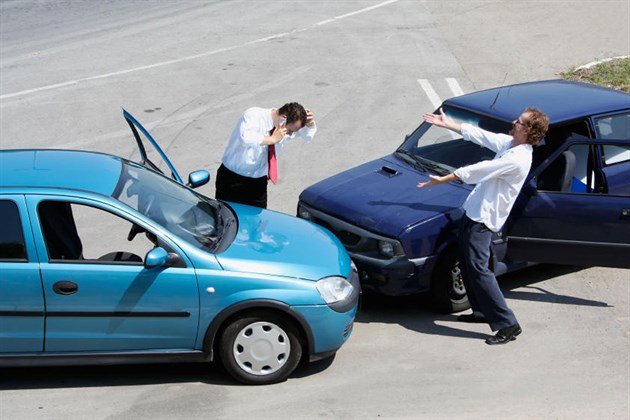
Currently, if you're involved in an accident with another motorist when driving in the EU, you can make a claim via your insurance company or the Motor Insurers' Bureau. These will represent you and handle any language barriers.
After Brexit, subject to what deal is made with the EU, you might be responsible for dealing directly with the third party's insurance company. This could involve communicating in their local language. If the driver isn't insured or is untraceable, you might struggle to pursue them for costs at all.
How will Brexit affect EU motoring fines?
It's currently very easy for authorities in EU countries to pursue fines for speeding and other traffic offences thanks to the Cross-Border Enforcement Directive. Unless a deal is made involving this, it will become a lot harder from next year for European police forces to trace drivers of British-registered vehicles.
While you might find that you're less likely to be caught by a speed camera, police in Europe will still be able to hand out on-the-spot fines to British drivers - and even seize your vehicle if you're excessively over the limit or refuse to pay.
 Andrew Brady
 Radical new Jaguar concept Type 00 revealed
 Test new article
 Budget 2023: What it means for van and pick-up owners
 Budget 2023: Car tax increases revealed
 Car tax rates for 2023
 Volkswagen ID.7 2023: Prices, specs and release date
 Most public electric car charging sites considered 'unsafe'



