
Chancellor prepares to raise fuel duty to fund the NHS
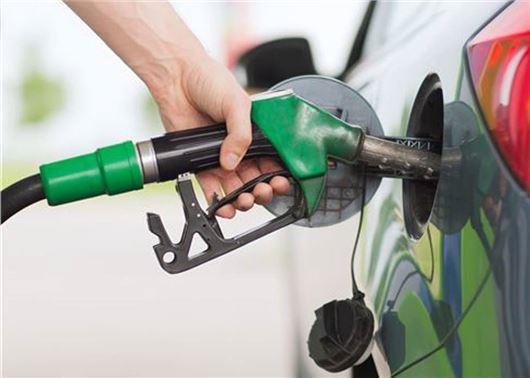
Drivers might be paying £8 more to fill up their cars than they did a year ago, but the cost looks likely to increase even more with a hike in fuel duty being suggested by the Government.
Phillip Hammond has hinted that fuel duty might rise in the November Budget, with the Chancellor facing a struggle to fund the NHS amid Brexit upheaval.
>> Petrol reaches highest price in four years
Duty on petrol and diesel has been frozen at a rate of 57.95p-per-litre for the past seven years, despite several proposed increases.
"By April 2019 these freezes will have saved the average car driver £850 compared to the pre-2010 escalator and the average van driver over £2100," Hammond told MPs. However, it's estimated to have cost the Treasury £46 billion since 2011 and the Government is looking for new funding opportunities to fund essential services.
"The Treasury has been benefiting from the additional VAT drivers are having to pay as a result of higher fuel prices"
"A further £38 billion will be foregone over the budget forecast period as a result of these reviously announced freezes. For context this is about twice as much as we spend on all NHS nurses and doctors each year," added Hammond.
Lifting the fuel duty freeze would raise an extra £800 million for the Treasury, some of which would fund the additional £20 billion on the NHS by 2023, but concerns over the rising cost of living were brought up by Tory former minister Robert Halfon, a long-standing campaigner for fuel duty curbs.
>> Top 10: Cars that get closest to matching their official MPG
Halfon brought up a Treasury study in 2014, which proposed freezing fuel duty benefits the economy to offset almost all the loss of tax to the economy and it said that GDP increased by £4.5 to £7.5 billion over the forthcoming years.
It currently costs £71.50 to fill up an average 55-litre family car - like a Ford Focus - with petrol, and £73.70 for a similarly-sized diesel car.
The pound also remains comparatively weak against the US dollar, which reduces the buying power of UK fuel retailers. With fuel costing them more to buy in, this invariably means higher prices are passed on to drivers at the pumps.
Aside from the fact that petrol and diesel in the UK are subject to some of the highest levels of taxation anywhere in Europe, fuels are also at their highest prices in four years.
"We'd argue that this is not the time to be considering a fuel duty rise, said RAC's Head of Roads Policy Nicholas Lyes. “It is also important to note that the Treasury has been benefiting from the additional VAT drivers are having to pay as a result of higher fuel prices".
It's important to know which cars actually reach their claimed fuel economy, that's why we made Real MPG.
 Georgia Petrie
 Radical new Jaguar concept Type 00 revealed
 Test new article
 Budget 2023: What it means for van and pick-up owners
 Budget 2023: Car tax increases revealed
 Car tax rates for 2023
 Volkswagen ID.7 2023: Prices, specs and release date
 Most public electric car charging sites considered 'unsafe'



