
Countdown to the new VED road tax: What it means for you
From April 2017, all new cars will be taxed against three new VED bands - zero, standard, premium - with taxation calculated on a combination of emissions and the list price of the vehicle. The changes will not impact existing cars on the road.
The move came after the former Chancellor of the Exchequer, George Osborne said that the VED system was unworkable, with three quarters of all new cars qualifying for zero VED.
VED from April 2017 will see buyers paying a flat standard rate of £140 for most new cars, except those emitting zero CO2 will pay nothing. Cars with a list price above £40,000 including any extras will pay an additional £310 per year - £450 in total - for the first five years in which the standard rate is paid.
Most family car buyers will pay between £100 - £160 for the first year rate, while the most polluting cars (255g/km+ of CO2) will pay as much as £2000.
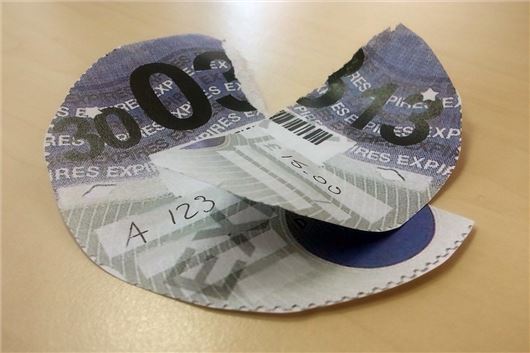
The new VED system follows some significant changes in the way people tax their cars, with the paper disc scrapped in 2014 in favour of an electronic system. From 2020-21 the government will spend all of the revenue raised from VED on the road network only.
Looking for a tax free car before the new rules come into force? Check out the Sub-100gkm Club
How will the new VED rules affect me?
The current VED bands remain in place for all pre-2017 cars and the new rules will only impact vehicles bought and registered from 1 April 2017. However the rates for the current VED bands will probably rise.
Will electric car owners have to pay road tax?
No. Electric vehicles will continue to qualify for zero-VED for the foreseeable future.
Tell me about the new VED bands
They're surprisingly simple. 'Zero' emission cars pay nothing, 'Standard' cars pay £140 a year and anything that costs more than £40,000 to buy will cost £140 a year, plus an additional £310 pa for the first five years.
So owners of expensive cars are going to be worse off?
Some will, given the hike in the first year rate. Buyers of expensive hybrids will also be punished, although the Government claims that 95 per cent of car owners will pay £140 a year.
How will this impact owners of hybrids or low emission vehicles
If you buy a hybrid or other vehicle with emissions below 100g/km after March 2017 you will have to pay £140 a year in VED. If it costs more than £40,000 to buy then that will come to a total of £450 a year. However, if you already own a hybrid (or buy one before 1 April 2017) you will continue to pay nothing.
Is the government going to make more money out this new system?
They assure us they won't, but we're not so sure because there's a LOT of low emission cars out there that will fall into the £140 a year in VED bracket. There is some good news though, all of the money raised from VED will eventually be used to improve the UK's road structure.
What about vans?
VED for commercial vehicles remains unchanged, for now.
And classic cars?
No change there either. They will continue to pay the standard VED rates for pre-2001 cars.
 Dan Powell
 Radical new Jaguar concept Type 00 revealed
 Test new article
 Budget 2023: What it means for van and pick-up owners
 Budget 2023: Car tax increases revealed
 Car tax rates for 2023
 Volkswagen ID.7 2023: Prices, specs and release date
 Most public electric car charging sites considered 'unsafe'



