
Kia Optima Sportswagon (2016 – 2019) Review

Kia Optima Sportswagon (2016 – 2019) Verdict

 Great looking, spacious. High quality. Well-equipped. Good to drive and very reasonably priced. Three petrol engines as well as new diesel from 2018.
 More expensive to buy new than previous generations of the Optima. GT versions provide a firm ride quality.
Find out more about the Kia Optima Sportswagon (2016 – 2019)
Insurance Groups are between 19–25
On average it achieves 62% of the official MPG figure
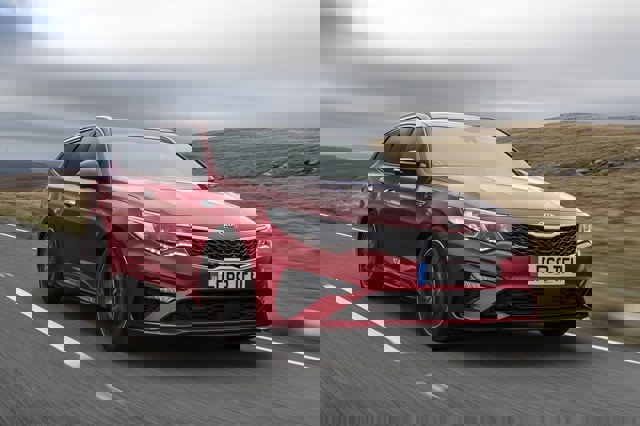
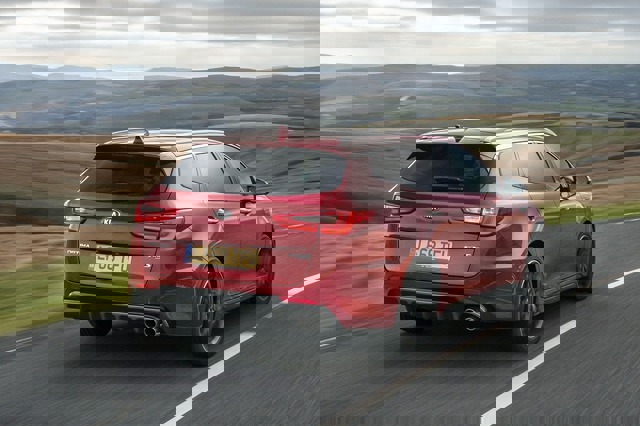
In the fine tradition of sexing up the estate car, Kia calls the Optima-based estate a ‘Sportswagon’. It evokes an exotic lifestyle choice rather than reflecting your basic need to carry a lot of stuff. Fortunately, in a basic sense the Kia Optima Sportswagon is an estate that carries a lot of stuff. Mission accomplished.
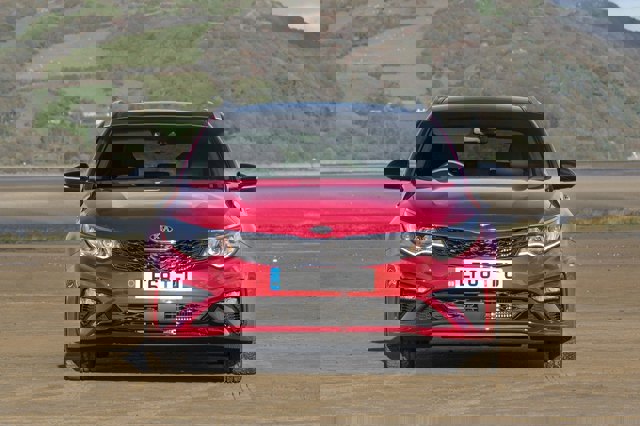
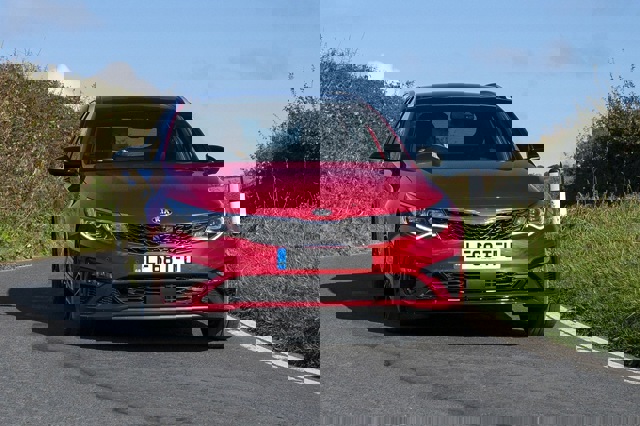
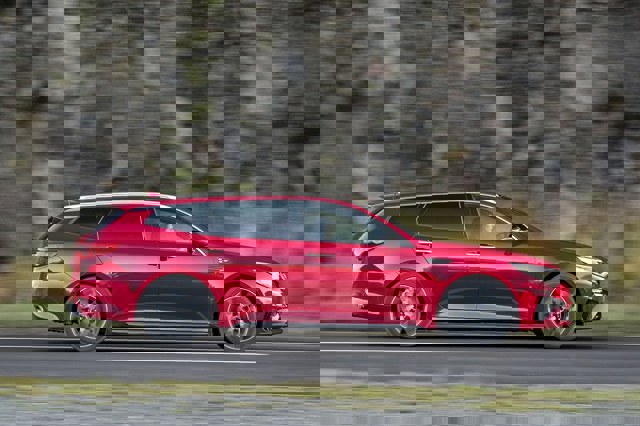
If the story ended there that would do, but in fact the Optima Sportswagon has plenty of appeal beyond simply being a very long hatchback. It’s a very stylish one for a start, but it also continues another fine tradition: of Kia models being high quality, generally lovely to drive and thoughtfully designed.
They’re also, of course, reasonably priced too – though not the ‘cheap’ option they perhaps once were. Prices for the Optima start at more than £22,000 - a couple of thousand pounds more than an entry-level diesel Toyota Avensis Touring Sports or Skoda Octavia Estate. And not far short of a Volkswagen Passat.
Kia will point to the Optima’s superior standard equipment roster though, which in the company’s own words is 'unashamedly targeted at business users'. It includes touchscreen navigation, a reversing camera, dual-zone automatic climate control, Bluetooth, DAB radio, 17-inch alloy wheels, roof rails and one-touch folding rear seats.
Three trim levels make up the range, named simply 2, 3 and GT-Line S (‘1’ obviously sounds a bit too entry-level), though (at launch in 2016) the 1.7-litre CRDi diesel with 141PS was the only engine choice. In 2017 a petrol-electric plug-in hybrid (PHEV) was added with up to 38 miles of all-electric range with CO2 emissions of 33g/km.
In 2018 the 1.7 turbodiesel was replaced with a smaller and more efficient 1.6-litre CRDi. A 180PS1.6-litre T-GDi was also added, with a petrol particulate filter and seven-speed DCT transmission.
The diesel comes with a dual-clutch automatic option as an alternative to the standard six-speed manual gearshift, but regardless, the Optima drives with a smoothness and solidity that's close to a Volkswagen. The manual gearshift may be a little on the light side, but the ride quality on non-GT cars is generally smooth (big wheels make it a little fussier over road surfaces) and ergonomics are fantastic. Anyone will find a comfortable driving position and there is no shortage of head or legroom in the rear.
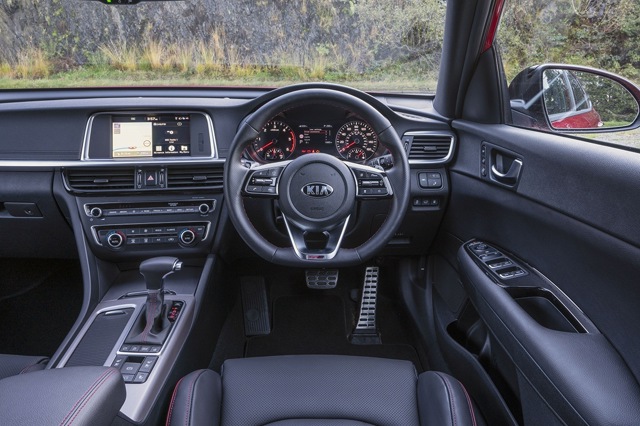
Aside from that the interior build quality is excellent – squishy surfaces in abundance – and another Volkswagen-like quality the Optima shares is a simple, intuitive cabin layout. Add to that reams of safety equipment along with Kia’s seven-year, 100,000-mile warranty and you have an estate – sorry, a Sportswagon – that’s extremely easy to recommend.
Reviews for Kia Optima Sportswagon (2016 – 2019)'s top 3 rivals
.jpg?width=240&height=160&rmode=crop)

.jpg?width=240&height=160&rmode=crop)

.JPG?width=240&height=160&rmode=crop)
Kia Optima Sportswagon (2016 – 2019) handling and engines
- Engines range from 1.6 CRDi to 2.0 GDi PHEV
- Readers report Real MPG to be between 35–100 mpg
‘Smooth’ is the main word that comes to mind when driving the Optima Sportswagon. Despite the name, Kia has engineered this estate with motorway miles in mind – at higher speeds the Optima settles into a lovely calm cruise.
The seats are comfy, the driving position is designed for all shapes and sizes with lots of adjustment in the seat and wheel, while on the standard 17-inch wheels, it flows over the motorway tarmac like a gondola down a Venetian stream. Well, not quite, but it’s distinctly non-bumpy.
Bigger wheels - those of the GT version, for example - will unsettle things and it’s worth noting that an involving drive the Optima Sportswagon is not. The steering is weighted for comfort rather than feel, meaning it’s light and largely ‘disconnected’ from the road, while the diesel engine really doesn’t like being pressed.
On one hand, the 1.7-litre CRDi diesel has plenty of torque low down - 340Nm at just 1750rpm - which makes it feel nippy at low speeds, but on the other it’s not an engine that likes to go above 3000rpm. It’s noisy and lacks punch from thereon.
For that reason the twin-clutch automatic is a good option to go for. It changes gears smoothly and its software is instructed to keep the engine at low revs – where it works best. In this configuration the Optima is impressively refined, which comes not only from the engine but from the basics like minimum wind and road noise, even at motorway speeds.
The 1.7-litre diesel was replaced with the 1.6 CRDi in mid-2018. On paper the 1.6 provides similar performance with 135PS and 320Nm of torque at 2000rpm. However, on the road, the engine is smoother, more refined and less strained over 3000rpm.
Company car drivers can opt for the Sportswagon PHEV, which combines a 155PS 2.0-litre direct-injection petrol engine with a 50kW electric motor. When working together, the combustion engine and electric motor generate 205PS and 375Nm of torque, while CO2 emissions range from 33-37g/km.
The petrol range features two powerful four-cylinder turbos, with the 180PS 1.6-litre T-GDi and 245PS 2.0-litre T-GDi powering the high-performance Optima GT. The 180PS unit is paired with the seven-speed double-clutch transmission as standard.
| Engine | MPG | 0-62 | CO2 |
|---|---|---|---|
| 1.6 CRDi | 61 mpg | - | 121 g/km |
| 1.6 CRDi DCT | 61 mpg | - | 122 g/km |
| 1.7 CRDi | 64 mpg | - | 113 g/km |
| 1.7 CRDi Automatic | 61 mpg | - | 120 g/km |
| 2.0 GDi PHEV | 202 mpg | 9.4 s | 33 g/km |
| 2.0 T-GDi Automatic | 31 mpg | - | 191 g/km |
Real MPG average for the Kia Optima Sportswagon (2016 – 2019)

Real MPG was created following thousands of readers telling us that their cars could not match the official figures.
Real MPG gives real world data from drivers like you to show how much fuel a vehicle really uses.
Average performance
62%
Real MPG
35–100 mpg
MPGs submitted
68
Kia Optima Sportswagon (2016 – 2019) interior
- Boot space is 440–1574 litres
| Dimensions | |
|---|---|
| Length | 4855 mm |
| Width | 1860 mm |
| Height | 1470 mm |
| Wheelbase | 2805 mm |
For the main part, there’s no difference between this and the Optima saloon, meaning the same qualities apply – there’s plenty of headroom all around and more than enough leg space for adult rear passengers.
The dashboard is intuitively designed and the switchgear is chunky, well damped and clearly marked. When oftentimes dashboards can sacrifice usability for aesthetics, Kia has managed to make a good-looking cabin that’s also self-explanatory. Nice work.
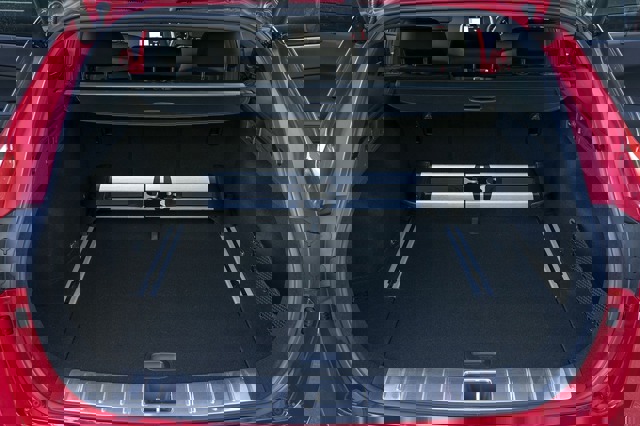
Of course the main difference is the boot, which is not only 42 litres bigger than the saloon’s by volume (552 litres against 510 litres), but is far more useful by virtue of the load deck being 1090mm long and 1010mm between the wheel arches. It widens out to 1380mm behind the arches for carrying bulky items, like golf clubs.
By size it’s smaller than a Skoda Superb Estate’s boot, but then pretty much everything is and the Optima is on the large size for luggage space in its class. A Mazda 6 Estate has a 506-litre boot, for example, and a Ford Mondeo 500 litres.
The Kia also has a 40/20/40 split folding rear bench as standard, which as anyone who has ever been to Ikea with a child or two in tow will know, is an extremely handy feature. Other furniture stores are available.
The boor floor is flat and is available with all manner of accessories (nets and such), though one criticism we’d level is the rear suspension eats into the space more than we’d like.
Standard equipment:
2 comes with 17-inch alloy wheels, auto lights, auto wipers, power lumbar support, dual-zone climate control, electric windows, cruise control, speed limiter, DAB radio, seven-inch touchscreen, Apple CarPlay support, navigation, Bluetooth, front and rear USB ports, roof rails, luggage partition and one-touch folding rear seats.
3 adds 18-inch alloy wheels, part faux-leather upholstery, four-way power lumbar support, power adjustable driver’s seat, heated front seats, heated steering wheel, upgraded audio system, eight-inch touchscreen and lane-keep assist.
4 adds DCT automatic transmission, blind spot warning, rear cross traffic alert, adaptive cruise control, autonomous emergency braking, automated parking, wireless mobile phone charging, 360-degree parking camera, leather upholstery, ventilated front seats, rear door window blinds and a smart keyless system.
GT-Line S gets LED fog lights, 18-inch aluminium alloy wheel, black mirror caps, side sills and air intake grille, twin exhausts, ambient cabin lighting and black leather seats with red stitching.
Kia Optima Sportswagon (2016 – 2019) models and specs
| Dimensions | |
|---|---|
| Length | 4855 mm |
| Width | 1860 mm |
| Height | 1470 mm |
| Wheelbase | 2805 mm |
| Miscellaneous | |
|---|---|
| Kerb Weight | 1620–1815 kg |
| Boot Space | 440–1574 L |
| Warranty | 3 years / Unlimited miles |
| Servicing | 10000–20000 miles |
| Costs | |
|---|---|
| List Price | £22,500–£33,350 |
| Insurance Groups | 19–25 |
| Road Tax Bands | A–J |
| Official MPG | 30.7–201.8 mpg |
| Euro NCAP Safety Ratings | |
|---|---|
| Adult | - |
| Child | - |
| Pedestrian | - |
| Overall | - |
Currently on sale
| Estate | |||
|---|---|---|---|
| Version | List Price | MPG | 0-62 |
| Sportwagon 1.6 CRDi 134bhp 2 ISG 5dr | £23,100 | 61.4 mpg | - |
| Sportwagon 1.6 CRDi 134bhp 3 DCT ISG 5dr | £26,700 | 61.4 mpg | - |
| Sportwagon 1.6 CRDi 134bhp 3 ISG 5dr | £25,300 | 61.4 mpg | - |
| Sportwagon 1.6 CRDi Gt-Line S DCT ISG 5dr | £31,400 | 61.4 mpg | - |
| Sportwagon 1.7 CRDi 139bhp 2 ISG 5dr | £22,500 | 64.2 mpg | - |
| Sportwagon 1.7 CRDi 139bhp 3 DCT ISG 5dr | £26,100 | 61.4 mpg | - |
| Sportwagon 1.7 CRDi 139bhp 3 ISG 5dr | £24,700 | 64.2 mpg | - |
| Sportwagon 1.7 CRDi Gt-Line S DCT ISG 5dr | £30,800 | 61.4 mpg | - |
| Sportwagon 2.0 GDI Phev 202bhp Auto 5dr | - | 201.8 mpg | 9.4 s |
| Sportwagon 2.0 GDI Phev Plus 202bhp Auto 5dr | - | 201.8 mpg | 9.4 s |
| Sportwagon 2.0 T-GDi 241bhp GT Auto ISG 5dr | £33,350 | 30.7 mpg | - |
On sale until April 2017
| Estate | |||
|---|---|---|---|
| Version | List Price | MPG | 0-62 |
| Sportwagon 1.7 CRDi 139bhp 2 ISG 5dr | £22,295 | 64.2 mpg | - |
| Sportwagon 1.7 CRDi 139bhp 3 DCT ISG 5dr | £25,895 | 61.4 mpg | - |
| Sportwagon 1.7 CRDi 139bhp 3 ISG 5dr | £24,495 | 64.2 mpg | - |
| Sportwagon 1.7 CRDi Gt-Line S DCT ISG 5dr | £30,595 | 61.4 mpg | - |
Model History
- February 2016: Kia Optima Sportswagon unveiled
- August 2016: On sale in the UK
- September 2017: Optima Sportswagon PHEV goes on sale
- January 2018: Kia Optima Sportswagon plug-in hybrid updated
- March 2018: Kia Optima upgraded
- October 2019
February 2016
Kia Optima Sportswagon unveiled
The Optima Sportswagon will be available with a choice of efficient and responsive petrol and diesel powertrains, including a high-powered GT model. The Optima Sportswagon is equipped with a range of innovative safety assistance and infotainment features, ensuring maximum occupant safety, comfort and enjoyment.
The new Sportswagon is available with a choice of single- or two-tone colour interior schemes: single-tone (black) or two-tone (dark grey with light grey) in cloth or leather trim. The console is finished in gloss black and chrome.
The Optima Sportswagon will additionally be among first Kia models to feature Android Auto, designed to work with Android phones running 5.0 (Lollipop) or higher, and Apple CarPlayfor iPhone 5 or newer. Both systems feature voice control and allow the driver to keep their hands on the wheel and eyes on the road ahead at all times.
The touchscreen infotainment system is paired with a six-speaker audio system as standard, while music lovers can also specify a powerful 590-watt Harman Kardon Premium Sound system, with eight speakers, an external amplifier and subwoofer, and Clari-Fi MP3 restoration technology.
The Optima Sportswagon is available with Kia’s new wireless charger for mobile devices, situated at the base of the central console. The 5W wireless charger lets users charge their phone on the move, without a wire. With ‘foreign object detection’, the charging system activates when a compatible device is placed on the pad and warns owners when they’ve left a phone on the charger when they leave the vehicle. The system displays the phone’s charging condition on the instrument cluster, and features a safety system to prevent overheating while in use.
The Optima Sportswagon additionally features two USB charging points, one in the front and one in the rear, to allow passengers to charge mobile devices, depending on trim level.
The additional cargo space resulting from the tourer bodystyle makes the Optima Sportswagon one of the most practical cars in its class, with 553 litres of cargo space behind the second row of seats – 48 litres more than the Optima saloon.
Features include a safety barrier net built in to the back of the rear seats and pop-up sliding luggage rails to secure individual items which are likely to slide or roll around the boot. A low, flat boot lip, and a Smart Power Tailgate – which opens the boot automatically when the Optima’s smart key is located in close proximity to the rear tailgate – enables owners to load heavy items easily.
Upgraded for its application in the Optima saloon and carried over unchanged in the Sportswagon, the 1.7-litre CRDi diesel engine benefits from a series of modifications, resulting in greater power output and torque, and reduced emissions. Producing 141PS and 340Nm torque, the upgraded 1.7-litre diesel engine will offer low CO2 emissions and high economy, pending final homologation later in 2016.
The 1.7-litre CRDi engine is available with a six-speed manual transmission or Kia’s new seven-speed double-clutch transmission, capable of handling the higher torque outputs of the turbodiesel engine and engineered to offer a sportier driving experience with smooth and instantaneous gear changes.
August 2016
On sale in the UK
It is priced at £22,295 for the '2' spec; £24,495 for the '3' spec; £25,895 for the '3'spec 7 speed DCT, and ££30,495 for the 'GT Line' 7-speed DCT.
September 2017
Optima Sportswagon PHEV goes on sale
It will be sold as a single, highly specified stand-alone model priced at £32,645 after the Government's plug-in car grant of £2,500.
Thanks to increased storage capacity in its lithium-ion polymer batteries, the Optima Sportswagon PHEV has a longer all-electric range, lower CO2 emissions and better fuel economy than the plug-in hybrid saloon. The increased storage capacity of 11.26kWh (saloon 9.8kWh) takes into account that the Sportswagon is likely to carry heavier loads than the saloon.
The Sportswagon PHEV can travel up to 38 miles in all-electric mode (saloon 33 miles), so it is able to complete many regular urban commuter runs with no tailpipe emissions. Its CO 2 figure of just 33g/km (saloon 37g/km) means company car users pay 9 per cent benefit-in-kind taxation in 2017-18, the same as with the saloon. The Sportswagon's combined fuel economy figure is 201.8mpg (saloon 176.6mpg).
Packaging of the batteries in the boot floor, plus a 15-litre reduction in fuel tank capacity, ensures the Sportswagon PHEV is as practical and versatile as it is efficient and clean. It can carry 440 litres of cargo with the 40:20:40 split rear seats upright, or 1574 litres when they are folded, and it has a payload of 390kg.
The KIA Optima Sportswagon is also offered with a 163PS non turbo 2.0GDI and a 245PS 2.0T-GDI petrol engine.
January 2018
Kia Optima Sportswagon plug-in hybrid updated
Kia has updated the Optima Sportswagon plug-in hybrid for 2019, with a completely redesigned lower front bumper, with the addition of LED daytime running lights that give a more dynamic appearance. The 17-inch alloy wheels have been revised, with a new diamond-cut design.
The range of grades has been expanded to two, with a new ‘PHEV Plus’ grade joining the line-up. Additional equipment includes leather upholstery, a panoramic sunroof, Smart High Beam Assist, Hydrophobic front glass, a smart powered tailgate, ventilated front seats, Smart Park Assist System (SPAS), a wireless mobile phone charger, 360-degree Around View Monitor, Blind Spot Detection (BSD) with Rear-cross Traffic Alert (RCTA).
With a range of up to 33 miles in all-electric mode, the Optima Sportswagon plug-in hybrid is able to complete many regular urban commuter runs with no tailpipe emissions, while its CO2 figure of just 33g/km means company car users pay just 13 per cent benefit-in-kind taxation in 2018-19.
The Optima Sportswagon plug-in hybrid combines a 152PS 2.0-litre direct-injection petrol engine with a 50kW (66PS) electric motor powered by an 11.26kWh lithium-ion polymer battery pack. The electric motor replaces the torque converter in the smooth-shifting six-speed automatic transmission. When working together, the combustion engine and electric motor generate 202bhp and 375Nm of torque.
A package of aerodynamic, styling and technology features contributes towards the Optima Sportswagon plug-in hybrid’s low CO2 emissions and potential combined fuel economy of up to 188.3mpg on the new WLTP cycle. These changes ensure the plug-in hybrid is instantly recognisable as the high-efficiency model in the Optima Sportswagon range while minimising any impact on its practicality.
The Kia Optima Sportswagon PHEV started at £34,995 while the PHEV Plus cost £38,995.
March 2018
Kia Optima upgraded
Gets improvements to exterior, interior and two new engines. The 1.7 CRDI diesel is replaced by the U3 1.6 CRDI offering 136PS and 320Nm torque. A new 180PS/1.6T-GDI engine with gasoline particulate filter is offered with 7-speed DCT transmission.
Available with Kia's latest 7-inch and 8-inch touchcreeen infotanimant systems and 'level 2 autonomy' driver assist systems such as Driver Attention Warning, Forward Collision Avoidance Assist, Lane Keeping Assist, High Beam Assist and full LED headlights with Dynamic Bending Light.
October 2019
KIA reported to be axing the Optima from its UK line-up
